
Heat Control in Industrial Kitchens: 7 Points to Consider When Choosing Oven Heating Elements
Choosing the right heating element for industrial kitchen ovens directly affects both cooking quality and energy efficiency. Here are 7 critical points to consider when selecting an oven heating element.
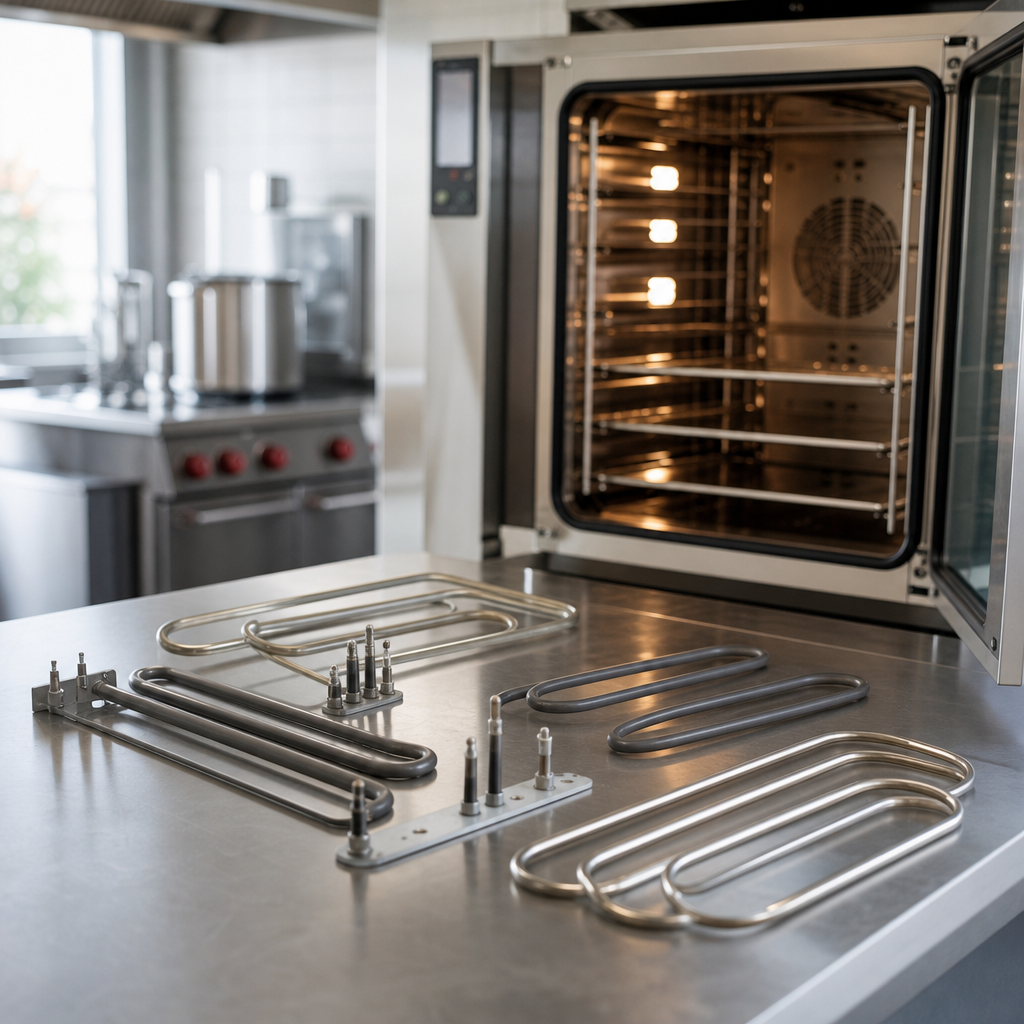
In industrial kitchens, ovens are the backbone of high-volume production. However, the efficient and safe operation of these ovens largely depends on the quality and suitability of the heating elements used. A wrongly chosen heating element can lead to uneven cooking, energy waste, and even equipment failures. As Raif Usta, to help you choose the most accurate spare parts for your industrial kitchen equipment, we have compiled 7 important points to consider when selecting an oven heating element.
1. Determine the Heating Element Form Suitable for Your Oven Type
Each oven type requires a different heat distribution. For example, heating elements used for pizza ovens typically operate in two separate zones, top and bottom, while in bakery ovens, elements compatible with fan (convection) systems are preferred. Therefore, before choosing a heating element, clearly determine the brand, model, and type of your oven (deck oven, rotary oven, stone-bottom oven, etc.). A wrong form will cause mounting incompatibility and inefficient heating.
2. Calculate the Power (Watt) Value Correctly
The power of the heating element determines the oven's heating speed and maximum temperature capacity. A low-power element delays the oven reaching the desired temperature and slows down your production process. A high-power element can overload your electrical installation. Check the wattage of your oven's original heating element or learn the correct value from the oven's technical documentation. Also, ensure that the voltage (220V, 380V) value at which the element will operate is compatible with your installation.
3. Pay Attention to Material Quality and Surface Temperature
The material used in the production of heating elements directly affects durability and corrosion resistance. Stainless steel sheathed elements are more resistant to the harsh conditions of industrial kitchens (humidity, oil vapor, acidic food contact). Additionally, the surface temperature of the element is also important. Elements with high surface temperature can pose a risk of burning or carbonization on surfaces that come into contact with food. Therefore, for areas in direct contact with food, ensure that the elements used have low surface temperature (e.g., dry-heat protection).
4. Connection Type and Mounting Compatibility
The connection method of the heating element to the oven is critical for ease and safety of installation. Flanged, screw-in, or clamp-type connections are produced to suit different oven designs. Furthermore, the dimensions of the element (length, diameter, bend shape) must fit exactly into the oven's internal volume. Be careful when taking measurements; incorrect measurements will cause difficulties during installation and prevent the element from working efficiently.
5. Compatibility with Thermostat and Thermal Fuse
Oven heating elements work in conjunction with safety components such as thermostats and thermal fuses. The chosen heating element must be compatible with the measurement range of your existing thermostat and the trigger temperature of your thermal fuse. Otherwise, the oven cannot be stabilized at the desired temperature, or the safety system may not activate in case of overheating. Therefore, when purchasing a heating element, it is recommended to also check these components and, if necessary, replace them together.
6. Original or Alternative Product Selection
There are two main options for heating elements on the market: original and alternative (aftermarket). Original parts are manufactured exactly to the manufacturer's standards and may come with a warranty. Alternative parts may be more economical, but they can carry risks in terms of quality and compatibility. As Raif Usta, we offer both original and high-quality alternative options. When making your choice, it is important to find the right balance based on the age of your oven, frequency of use, and budget.
7. Supplier Reliability and Technical Support
When purchasing a critical part like a heating element, having a supplier who can provide technical knowledge and support is a great advantage. An expert team that helps you choose the right product should also be with you for any issues you may encounter after installation. As Raif Usta, with our wide product range and technical detail guarantee, we support you in finding the right heating element for your industrial kitchen. Additionally, with our fast supply infrastructure, we meet your spare part needs without interrupting your production.
Choosing the right heating element directly affects the performance and lifespan of your oven. By considering the 7 points above, you can ensure both efficient and safe heat control. Remember, every oven is different; therefore, you can get support from Raif Usta's expert team to achieve the most accurate results.